Key Benefits of Hiring Richmond Hill Insulation Company for Reliable Insulation Services
Easy Insulation Installation Solutions: Quality Services for All Your Needs
Insulation plays a critical role in improving energy efficiency and comfort within a home. A lot of homeowners overlook the nuances of correct installation, which can result in substantial energy loss and elevated bills. Expert insulation services deliver customized solutions to meet specific needs. However, understanding the various types of insulation available and the advantages of expert installation is essential. This knowledge can equip homeowners to make educated decisions about their insulation projects.
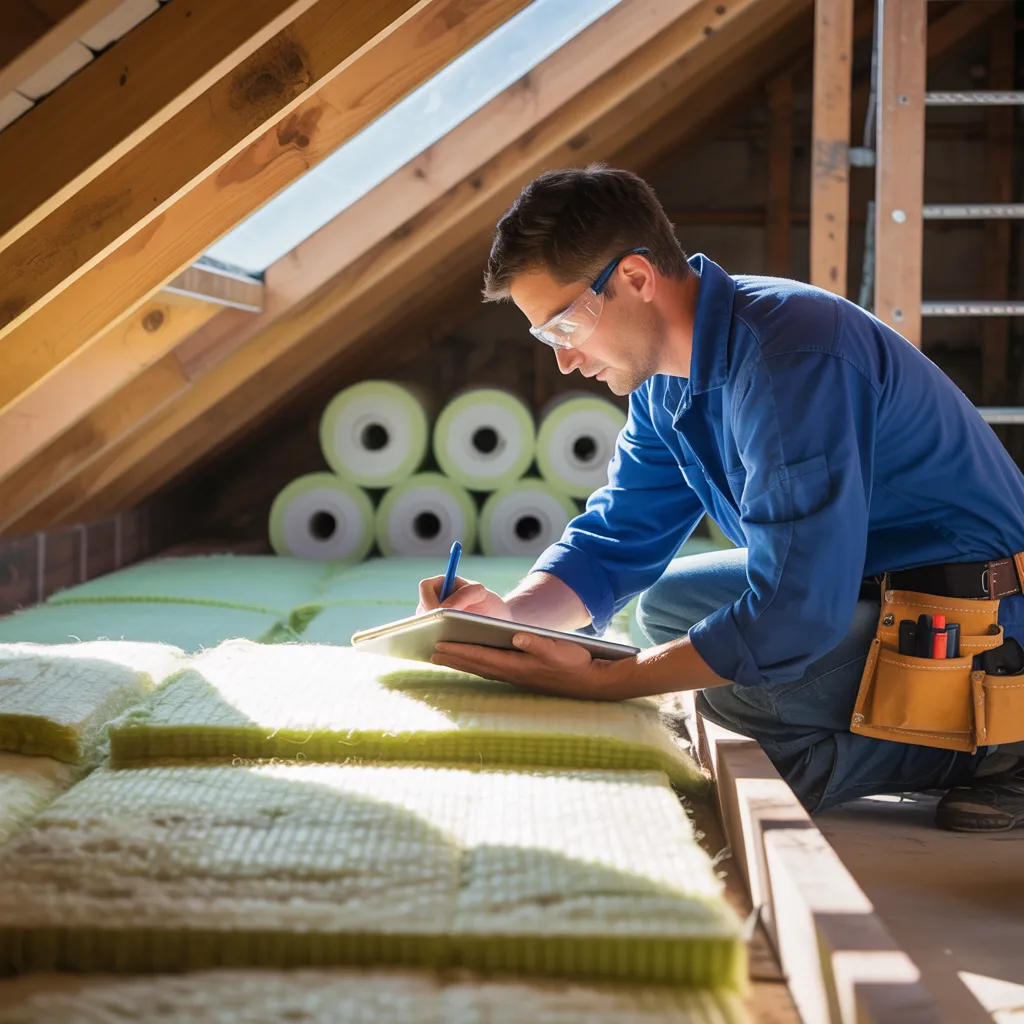
Understanding the Importance of Appropriate Insulation
Although often overlooked, appropriate insulation plays an essential role in maintaining energy efficiency and comfort within a home. It works as a barrier against heat transfer, retaining indoor temperatures stable independent of external weather conditions. By decreasing the escape of heated or cooled air, insulation considerably lowers the reliance on heating and cooling systems, which can result in lower energy bills.
In addition, adequate insulation contributes to soundproofing, producing a more serene living environment by lessening noise from outside and between rooms. This aspect is notably important in urban areas or homes with shared walls.
Moreover, proper insulation can help stop moisture buildup, which can lead to mold growth and structural damage over time. Homeowners who focus on insulation not only improve their living conditions but also preserve their investment in the property, guaranteeing longevity and stability in the housing structure.
Types of Insulation Services Available
Insulation solutions include various choices designed to address the unique requirements of diverse residential and commercial structures. Some of the most frequently used options are batt insulation, which comprises pre-cut panels of fiberglass or mineral wool, perfect for standard stud and joist spacing. Spray foam insulation provides a seamless barrier that expands to fill gaps, offering superior air sealing properties. Blown-in insulation, typically made from cellulose or fiberglass, is suitable for attics and challenging-to-reach areas, ensuring thorough coverage. Rigid foam insulation is commonly employed for exterior walls and foundations because of its superior insulating value and moisture resistance. Moreover, reflective or radiant barrier insulation is designed to decrease heat transfer, particularly in warmer climates. All insulation options are intended to improve energy efficiency, comfort, and overall building performance, making it crucial to select the right solution based on specific building requirements and environmental conditions.
Advantages of Engaging Professional Insulation Installation Experts
When homeowners consider insulation installation, hiring professional installers can considerably boost the overall outcome. Professional installers offer skill and proficiency, ensuring that the insulation is installed right and competently. Their familiarity with various insulation types allows them to recommend the best options suited to the specific needs of each home.
In addition, professionals are equipped with the right tools and equipment, which can substantially reduce the time required for installation. They also follow local building codes and safety regulations, limiting the risk of potential issues.
Moreover, working with specialists can result in better energy efficiency, which brings lower utility bills over time. Experts often offer warranties on their work, giving homeowners peace of mind regarding the quality and durability of the insulation. In the end, investing in professional insulation installation can save time, money, and stress, producing a more comfortable living environment.
The Process of Installing Insulation Explained
A complete understanding of the insulation installation process is essential for homeowners undertaking this important home improvement project. The process commonly begins with an assessment of the home's current insulation and identifying areas requiring improvement. Professionals conduct measurements and determine the proper type and amount of insulation required based on the specific space.
Subsequently, they ready the installation area by ensuring it is clean and accessible. This may involve extracting old insulation and repairing any deteriorated structures. The installation process can change depending on the insulation type, whether it's batts, blown-in, or spray foam. Professionals meticulously place or apply the insulation, making sure it fits snugly in the allocated spaces to optimize effectiveness.
Ultimately, contractors carry out a detailed inspection to verify that the insulation meets safety standards and works efficiently. Quality installation not only improves energy efficiency but also supports the overall comfort of the home.
Choosing the Proper Insulation for Your Property
How do homeowners identify the most suitable insulation for their needs? To make an informed selection, they should evaluate several factors, including climate, budget, and the specific areas requiring insulation. Different insulation types—such as fiberglass, foam, and cellulose—offer varying R-values, which measure thermal resistance. In colder climates, higher R-values are preferable, while milder climates may require less insulation.
Property owners should also evaluate the installation process, as some materials demand professional installation, while others may be suitable for DIY projects. Additionally, it is necessary to assess environmental impact; options like recycled cellulose can supply eco-friendly benefits.
In conclusion, partnering with insulation experts can deliver personalized recommendations according to a home's unique specifications. By carefully evaluating these factors, homeowners can identify the insulation that best fulfills their expectations, securing energy efficiency and comfort within their living spaces.
Questions & Answers
What's the Average Time for Insulation Installation?
Installing insulation usually takes between a few hours to a full day, based on the size of the area and the type of insulation being relevant information used. Elements like accessibility and preparation additionally affect the timeline.
What Does Insulation Installation Cost?
Costs connected to insulation installation vary widely, commonly varying from $1 to $3 per square foot. Factors influencing costs include insulation material, installation complexity, and regional workforce rates, determining the overall budget for the project.
Do Any Government Rebates Available for Insulation Installation?
Several governmental bodies offer rebates for insulation installation to support energy efficiency. Such incentives may vary depending on location and can be influenced by the type of insulation installed, making it essential to research local programs for eligibility details.
Does Insulation Aid in Noise Reduction?
Insulation can considerably aid in noise reduction by absorbing acoustic energy, therefore limiting the transmission of noise between spaces. This effect increases comfort in both home and business settings, promoting a quieter atmosphere overall.
What Should I Do to Prepare for Installation Day?
When preparing for installation day, homeowners should clear the area where insulation will be set up, ensure access to the space, take away any impediments, and relay specific requirements or concerns to the installation team prior to the work.